

Supply Chain Cybersecurity Highlights the Need for Zero-Trust Cybersecurity
 Enterprise Tech Wire
Recently, the Ministry of Economy, Trade and Industry (METI) in Japan announced plans to introduce a Security Measures Assessment System for supply chains by fiscal year 2026. This framework is intended to visualize the status of security controls across suppliers and provide a consistent way for ordering companies to understand whether appropriate safeguards are in place. The interim report outlines three assessment levels, aligned with international standards such as NIST Cybersecurity Framework 2.0. The goal is to elevate the overall maturity of security measures while reducing inconsistent expectations that have historically placed a significant burden on small and medium-sized suppliers.
Japan is not alone in examining the urgent need for organizations to strengthen their cybersecurity posture.
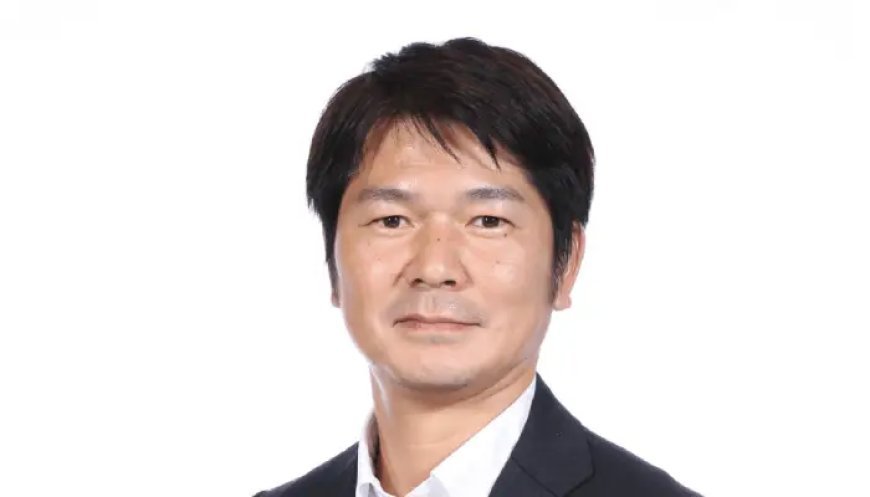
“The Asia Pacific region is growing rapidly, and there is a need for cybersecurity to keep pace with this growth. As cyber threats grow more sophisticated, relying solely on perimeter-based defenses or compliance checklists is no longer enough. Organizations must adopt proactive, identity-centric approaches that ensure visibility, accountability, and resilience across every digital connection,” Takanori Nishiyama, SVP APAC and Japan Country Manager, Keeper Security.
The Supply Chain Challenge in a Hyperconnected Economy
A typical industrial ecosystem is deeply interconnected, with large enterprises relying on complex networks of small and medium-sized suppliers. While this structure drives innovation and efficiency, it also expands the attack surface. A single compromised vendor can cascade risk across the entire supply chain, as seen in recent global incidents involving compromised credentials and third-party access abuse.
With a proposed system such as METI’s, the hope is that organizations will gear up their cybersecurity posture with easier-to-understand and adopt measures. The varying stages are designed to help organizations identify appropriate countermeasures and strengthen governance, business partner management, risk identification, system defense, detection, and incident response.
“Effective password management plays a crucial role in minimizing human error and reducing credential-based attacks. Weak or reused passwords remain one of the most common entry points for cybercriminals, particularly within extended supply chains where hundreds of users and vendors access shared systems. Implementing centralized, secure password management solutions helps enforce strong password policies, eliminate unsafe storage practices and provide audit trails that enhance accountability,” Takanori Nishiyama, SVP APAC and Japan Country Manager, Keeper Security.
Zero-Trust: A Security Model Built for Interdependence
At the heart of modern supply chain security lies zero trust, a model that assumes no user or system should be trusted by default whether inside or outside an organization’s network. Adopting a zero-trust architecture means continuously verifying users, devices and applications before granting access.
Zero-trust strategies also help ensure that security is not limited to regulatory compliance but becomes an embedded component of day-to-day operations. Continuous authentication, least privilege access and encrypted data storage are prerequisites for maintaining trust in a digital-first economy.
Privileged Access Management: Reducing Human Risk
While zero trust defines the framework, Privileged Access Management (PAM) enforces it. Compromised privileged credentials remain one of the leading causes of data breaches worldwide. PAM solutions provide visibility into who has access to critical systems, secure and control that access, and enable rapid revocation when anomalies are detected.
“When combined with enterprise-grade password management, Privileged Access Management (PAM) provides comprehensive control over both privileged and non-privileged credentials. This layered approach ensures that every identity, from standard users to system administrators, is governed by consistent policies and monitored for potential misuse. For Asian manufacturing and technology sectors, where Operational Technology (OT) and Information Technology (IT) systems are increasingly integrated, PAM can serve as a bridge between security policy and operational continuity,” Takanori Nishiyama, SVP APAC and Japan Country Manager, Keeper Security.
Building a Culture of Accountability and Resilience
Technology alone cannot secure a nation’s digital future. Organizations must also cultivate a “security-first” culture that treats every user as a potential entry point and every credential as a potential liability. As Asian organizations accelerates toward 2026, proactive adoption of industry best practices will determine not just compliance readiness but long-term competitiveness in a global market that increasingly values cybersecurity as a measure of trust.