

TotalEnergies Chooses Rockwell’s Robotic Supervision System for Operational Efficiency
 Enterprise Tech Wire
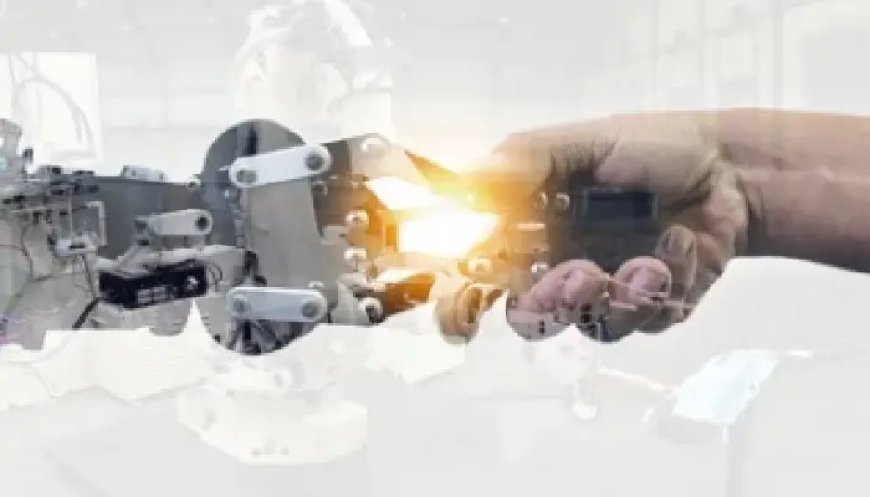
Rockwell Automation has partnered with TotalEnergies to advance the development of a robot fleet management system, marking a major step toward autonomous offshore operations. The long-term collaboration is set to achieve a key milestone with the first offshore test scheduled for mid-2023.
Autonomous functionality has become a priority for oil and gas companies due to the challenging conditions inherent to offshore environments—insights that also apply to offshore wind installations. By deploying robotics, energy operators aim to reduce human exposure to hazardous situations, improve safety outcomes, lower operating and capital costs, and attract a new generation of tech-savvy professionals.
“Offshore environments are remote and often harsh, so minimizing employee exposure has always been a strategic goal,” said Matt Graves, Director at Kalypso, a Rockwell Automation company. “Design improvements and automation have helped, but many tasks—especially those requiring on-site observation—still need human involvement. TotalEnergies has explored the use of ground robots for five years, and the next step was to build a system to remotely control them. That’s where Kalypso came in.”
Working alongside Kalypso and industry partners, TotalEnergies is implementing a Robotic Supervision System (RSS). This system will enable onshore operators to monitor and control multiple robots via IoT technologies, allowing them to autonomously perform inspection routines, routine maintenance tasks, and even emergency support—activities traditionally carried out by personnel on offshore platforms.
To overcome integration challenges—connecting robots to existing industrial infrastructure and providing intuitive visual interfaces—Kalypso leveraged the Unity game engine from Unity Technologies. Widely adopted in industrial digital content creation, Unity enables realistic, interactive 3D visualizations across devices, supporting digital twin functionality and real-time synchronization similar to gaming environments.
The resulting RSS consolidates data from various types of robots and unifies all human-machine interface (HMI) views, equipping remote operators with the information they need for effective oversight.
“These early tests are crucial for understanding how robots perform inspections in real operating conditions and for unlocking future use cases in maintenance and operations,” said Grégoire Audouin, Robotics Systems Architect in the R&D department at TotalEnergies. “The ability to remotely control robots and obtain immersive visual feedback from a centralized control room presents enormous innovation potential for our industry.”